What is Tether (USDT)? The World’s Most Traded Stablecoin Explained
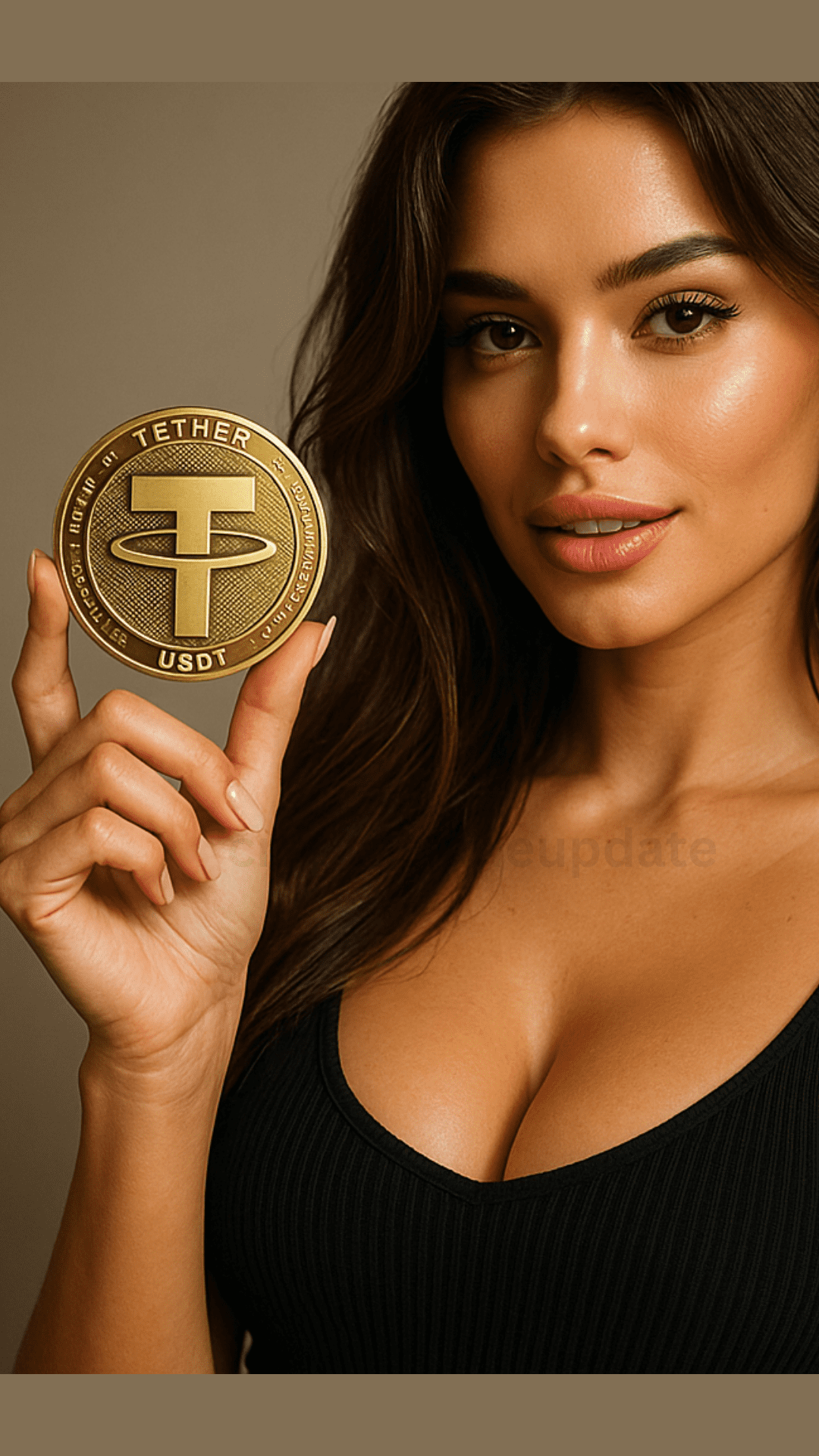
There is only one name that keeps cropping up each time the words stability and liquidity are being discussed in the rapidly evolving world of cryptocurrency Tether (USDT). While Bitcoin and Ethereum are garnering headlines with their price bulges, Tether quietly gets on with its work recording crypto trading volumes on a daily basis. So, what is Tether, and why does it crop up so often in crypto’s world?
Let us go in human, straight to the point, and easy-to-grasp language.
The Basics: What is Tether (USDT)?
Tether (USDT) is a currency that is both a cryptocurrency and also called a stablecoin. While Bitcoin or Ethereum’s prices are highly volatile, Tether was constructed such that it has a 1:1 value with the United States dollar. That is, 1 USDT will always be worth $1 USD.
Launched in 2014, Tether was the first widely used stablecoin and remains the most used today. Its purpose? To combine the velocity and transparency of cryptocurrencies with the stability of fiat.
How Does Tether Work?
Here’s the straightforward premise:
For every USDT in circulation, Tether Ltd claims to have an equal amount of real-world reserves, such as U.S. dollars, Treasury bills, or other assets. This backing is supposed to make USDT stable and trustworthy.
If an individual has to swap U.S. dollars for Tether, he transfers funds to Tether Ltd, and the company issues the equivalent amount of USDT tokens. USDT can even be exchanged for dollars by transferring tokens to Tether Ltd.
This stablecoin model gives customers the benefit of digital cash without the price fluctuation of more speculative crypto coins.
Why is Tether So Popular?
You might wonder why would anybody choose Tether over Bitcoin or Ethereum?
Here’s why Tether is utilized by millions of traders, exchanges, and businesses daily:
Stability in a Volatile Market
Cryptos’ prices have a tendency to change quickly within minutes. Traders typically move their assets to USDT when there’s a market downturn to “park” their value securely.
Fast and Cheap Transfers
It is significantly cheaper and quicker to transfer USDT compared to transferring conventional bank wires, especially cross-border. You can move millions of dollars in minutes.
Broadly Supported on Exchanges
Tether is supported by nearly all cryptocurrency exchanges, making it easy to trade against or use as a base currency to buy other coins.
No Bank Account Necessary
USDT allows people in less banked countries to take part in international finance and crypto trading.
Use Cases of Tether
Tether is not just for traders in crypto. Its applications are growing:
- Cross-border payments – USDT makes remittances and commercial transfers quicker.
- E-commerce – Online stores accept USDT to avoid fiat currency issues.
Tether’s Controversies and Criticisms
No crypto story is complete without controversy – and Tether has not been short of it.
Transparency Issues
There have been questions from critics for years whether Tether really does have enough reserves to support its tokens. While the company has released audit-like reports, some analysts and regulators remain skeptical.
Legal Challenges
Back in 2019, Tether and sister firm Bitfinex were probed by the New York Attorney General. The outcome? They settled without admitting wrongdoing but had to improve transparency around their reserves.
Market Impact
With a market cap of over $100 billion, Tether has a huge influence on the cryptocurrency marketplace. Some worry that Tether instability would trigger a wider crypto collapse.
Is It Safe to Use Tether?
Here is the truth:
Tether is widely used and well-established, with a few caveats. If you’re an average crypto user, you can safely use USDT to make quick trades or transfers. But for storing value over the long term or for very large amounts, some investors prefer alternatives like USDC (USD Coin) or DAI since they’re more transparent.
Regardless, USDT’s liquidity and availability make it a behemoth love it or hate it.
Tether vs Other Stablecoins
Briefly let’s compare Tether with other stablecoins:
| Feature | Tether (USDT) | USD Coin (USDC) | DAI |
|---|---|---|---|
| Supported By | Reserves (mixed assets) | U.S. dollars (audited) | Crypto collateral |
| Issuer | Tether Ltd | Circle & Coinbase | MakerDAO (decentralized) |
| Transparency Level | Moderate | High | High |
| Most Utilized On | Centralized exchanges | DeFi & CeFi | DeFi platforms |
Tether remains the leader in daily trading volume, but some individuals utilize USDC or DAI for additional governance.
Future of Tether: What to Expect?
As crypto falls under increasing regulation globally, Tether is coming under increasing scrutiny. But it continues to grow in market cap, especially in emerging markets where stable digital money is in desperate need.
Tether is also migrating to other blockchains like Solana, Polygon, and Avalanche with the aim of keeping fees low and speed high.
No doubt Tether will remain a big name in crypto, but if it has a future may depend on whether it can answer calls for transparency and regulatory pressure.
Final Thoughts: Should You Use Tether?
You’re in crypto? Then you’ll encounter USDT sooner or later. Whether trading, moving value, or just in need of a stablecoin in a bear market Tether is a useful tool.
Just remember:
While it delivers convenience, speed, and stability, it is also part of a rapidly evolving and sometimes risky ecosystem. Always do your own research, stay current, and never invest in crypto more money than you can afford to lose.













Post Comment